
You’ve probably seen stunning bird baths and wondered how to make your own without the mold cracking or details getting ruined. Obviously, you want a professional result on the first try. Here’s the thing: the right mold material makes all the difference, but your choice depends entirely on your project’s complexity and how often you plan to use it. Let’s look at which mold truly fits your garden vision.
| Garden Owl Cement Mold (5.5 Inch) |  | Simple Starter Mold | Primary Material: Polyethylene plastic | Compatible with Concrete/Cement: Yes | Item Weight: 0.5 pounds | VIEW LATEST PRICE | Read Our Analysis |
| Microbe-Lift Soy-Based Birdbath and Statuary Cleaner | 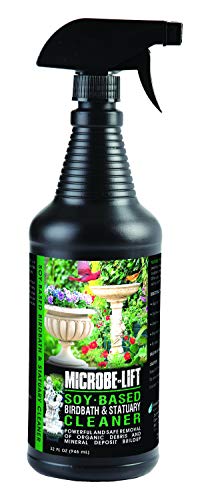 | Essential Maintenance Cleaner | Primary Material: Soy-based formula | Compatible with Concrete/Cement: For cleaning | Item Weight: 2 pounds | VIEW LATEST PRICE | Read Our Analysis |
| Baroque Style Silicone Molds for Cherub Birdbaths |  | Versatile Premium Set | Primary Material: Silicone | Compatible with Concrete/Cement: Yes | Item Weight: 0.53 kilograms | VIEW LATEST PRICE | Read Our Analysis |
More Details on Our Top Picks
Garden Owl Cement Mold (5.5 Inch)
If you’re after a quick, decorative touch without the complexity, this Garden Owl mold is a simple starter mold, frankly. You aren’t building a whole bath, just charming accents. Its flexible polyethylene plastic makes demolding your concrete owl almost foolproof. Obviously, it’s small at 5.5 inches tall.
Here’s the thing: it’s a single ornament mold. You’ll repeat the process for a collection. But for under half a pound, it’s incredibly manageable. This one’s for you if your ambition is a weekend project, not a monument. Grab it, make a few, and instantly upgrade a garden corner.
- Primary Material:Polyethylene plastic
- Compatible with Concrete/Cement:Yes
- Item Weight:0.5 pounds
- Intended Use Category:Outdoor decorative stones
- Reusability:Designed for repeated use
- Product Dimensions:5.5″ x 4″ x 1.25″
- Additional Feature:Flexible polyethylene plastic
- Additional Feature:Owl-shaped decorative stone
- Additional Feature:Basic instructions included
Microbe-Lift Soy-Based Birdbath and Statuary Cleaner
Your birdbath is stained and grimy, obviously, but harsh chemicals aren’t an option. All right, you’ve got the Microbe-Lift Soy-Based Birdbath and Statuary Cleaner. This one’s for you if you’re cleaning a concrete basin or a statue and need something powerful yet completely safe. It tackles organic buildup and mineral deposits without any VOCs, using a biodegradable formula derived from soybeans. Now, it’s gentle on surfaces but won’t work miracles on deeply etched damage—it’s a cleaner, not a restorer. Here’s the thing: you apply it, let it work, and rinse. Your outdoor space is clean, and you’ve done no harm. That’s the win.
- Primary Material:Soy-based formula
- Compatible with Concrete/Cement:For cleaning
- Item Weight:2 pounds
- Intended Use Category:Birdbath & statuary cleaner
- Reusability:Multi-use solution
- Product Dimensions:3.5″ x 3.5″ x 12″
- Additional Feature:Natural soy-based formula
- Additional Feature:Biodegradable and sustainable
- Additional Feature:Safe for birds/plants
Baroque Style Silicone Molds for Cherub Birdbaths
You’re looking for something beyond a basic birdbath, something with ornate, museum-quality detail. These baroque silicone molds deliver that with cherub angels and intricate lace scrolls. Obviously, you’ll need your own concrete or plaster.
This set’s versatility is its main trade-off. The food-safe silicone handles everything from clay to cement, even cake decorating. You must dedicate molds separately for food and non-food uses. It’s a perfect fit if you crave elaborate, multi-purpose crafting. Now, the small 7.7-inch size means your final statue won’t be gigantic. For grand garden scale, you’d need to cast and assemble pieces. So, choose these for stunning detail over sheer monument size.
- Primary Material:Silicone
- Compatible with Concrete/Cement:Yes
- Item Weight:0.53 kilograms
- Intended Use Category:Crafts & food decoration
- Reusability:Reusable molds
- Product Dimensions:7.7″ x 4.92″ x 0.39″
- Additional Feature:Food safe material
- Additional Feature:Art Deco lace designs
- Additional Feature:Multiple resin compatibility
Factors to Consider When Choosing Molds for Concrete Bird Baths
You might think any mold works for concrete, but picking wrong means stuck projects and wasted mix. Now, material durability and flexibility matter most because you’re dealing with heavy, wet concrete, and a brittle mold will crack. All right, ease of demolding is your real goal, so consider release agents and a mold’s design complexity before you buy.
Material Durability And Flexibility
Since you’re investing time in a project that should last, the material’s ability to withstand weather and handling is essential. A brittle plastic mold might crack after one season, while a rigid metal one can resist bending but might rust. Here’s the thing: flexible silicone molds are incredibly durable for repeated use. They withstand the wet concrete mix without warping. Obviously, you want a mold that survives multiple pours. Now, flexible materials like rubber also make releasing intricate designs easier. This one’s for you if you’re making detailed, ornate baths. A stiffer polyurethane mold offers a middle ground; it’s durable but less pliable. That suits simpler shapes perfectly. Consider your design ambition first. Your material choice directly supports it.
Ease Of Demolding Concrete Pieces
All right, moving from durability to what happens after curing—that’s where demolding can really test your patience. You’re waiting for that perfect piece, only to see it crack on removal. Obviously, you always use a release agent. But the mold’s flexibility is your real ally, with silicones or certain plastics letting you gently coax the concrete out.
Here’s the thing: designs with simple curves are far easier than intricate ones with deep undercuts. You must let the concrete cure fully so it holds its shape. Molds built for reuse often balance this detail capture with easy removal. If you dread fragile results, prioritize this flexible, simple-shape combo. That choice makes your final step stress-free.
Mold Size And Design
Some designs look gorgeous online but become a nightmare in reality. You’ll regret a massive, ornate mold if your workspace is a patio table. Conversely, a tiny basin won’t give birds a proper bath. Measure your space first.
Now, consider the actual shape. Intricate patterns seem fancy but trap air bubbles, creating flawed surfaces. Simple, smooth designs are far more forgiving for beginners. Obviously, you want something beautiful, but prioritize clean lines.
Here’s the thing: think about assembly. A multi-part mold for a tiered design requires precise alignment. That’s extra work. This one’s for you if you love detailed projects. Otherwise, choose a single-piece mold. It makes the whole process straightforward. Pick the size and style that genuinely suits your patience and space.
Compatibility With Concrete Mix
Once you’ve picked a size and design that fits your workspace, that mold needs to play nice with your concrete mix. It’s an alkaline substance that can degrade weak materials, so your mold must be chemically resistant for multiple uses. Now, think about getting your creation out later. A mold with poor flexibility or release will ruin fine details or crack your piece during demolding.
You also have to account for concrete shrinkage as it cures. A good mold’s internal dimensions are slightly oversized to achieve your intended final size. Here’s the thing: a non-porous surface prevents the mix from losing vital moisture, ensuring proper strength. It also needs to handle the heat from curing without warping. Pick a mold that masters these factors, and you’ll avoid a lot of heartache.
Food Safety Considerations
You might be eyeing one of those versatile silicone molds for your bird bath, thinking they’d be handy for baking later—hold that thought. All right, here’s the thing. Even food-grade silicone requires intense washing and boiling before any food use after concrete. Now, using one mold for both is a major cross-contamination risk. You’d need completely separate molds. Obviously, dedicated concrete molds, like polyethylene plastic ones, should never touch your food. They’re not made for it. So, this one’s for you if you’re willing to buy and dedicate molds separately. Trust me, that’s the only safe path. Verify any “multi-use” claims rigorously and keep everything strictly apart. Just pick a mold for its craft purpose and keep your kitchen tools separate. It’s that simple.
Environmental Impact Assessment
Thinking about the planet while picking your mold? That’s smart. You don’t want a beautiful bird bath to come with environmental guilt. So, let’s break it down.
First, check the mold material’s origin. Some plastics are petroleum-based, while others use renewable resources like soy. Obviously, petroleum is a non-renewable. Here’s the thing: also consider the production energy and emissions. Manufacturing varies widely.
Now, assess its end-of-life. Will that plastic just sit in a landfill forever? Biodegradable options exist, which is a major plus. Finally, investigate chemical safety. Confirm no nasty VOCs could leach out. That protects your garden’s soil.
Choosing a sustainable mold isn’t just a feel-good move; it’s a practical one for your conscience and your backyard. Make your craft truly green.
Long-Term Use Potential
Choosing a mold that falls apart after a few uses? That’s a major frustration. You’re investing time and money, so you want something that lasts.
You must select a material rated for repeated concrete use. Concrete’s harsh, alkaline nature can degrade cheap plastics. Obviously, flexibility matters. A silicone or quality plastic mold releases easier, reducing stress and extending its life. Thick, reinforced walls resist warping, too. They’ll survive more pours.
Here’s the thing: easy cleaning is non-negotiable. If you can’t remove residue, you’ll lose detail fast. Always verify your mold’s compatibility with your mix and release agents. This prevents chemical damage. This one’s for you if you plan multiple bird baths or other projects. Pick for durability, and you’ll craft for years.